Mercedes-Benz: The Story of the Three-Pointed Star
 Every great story begins with an idea that seems impossible.
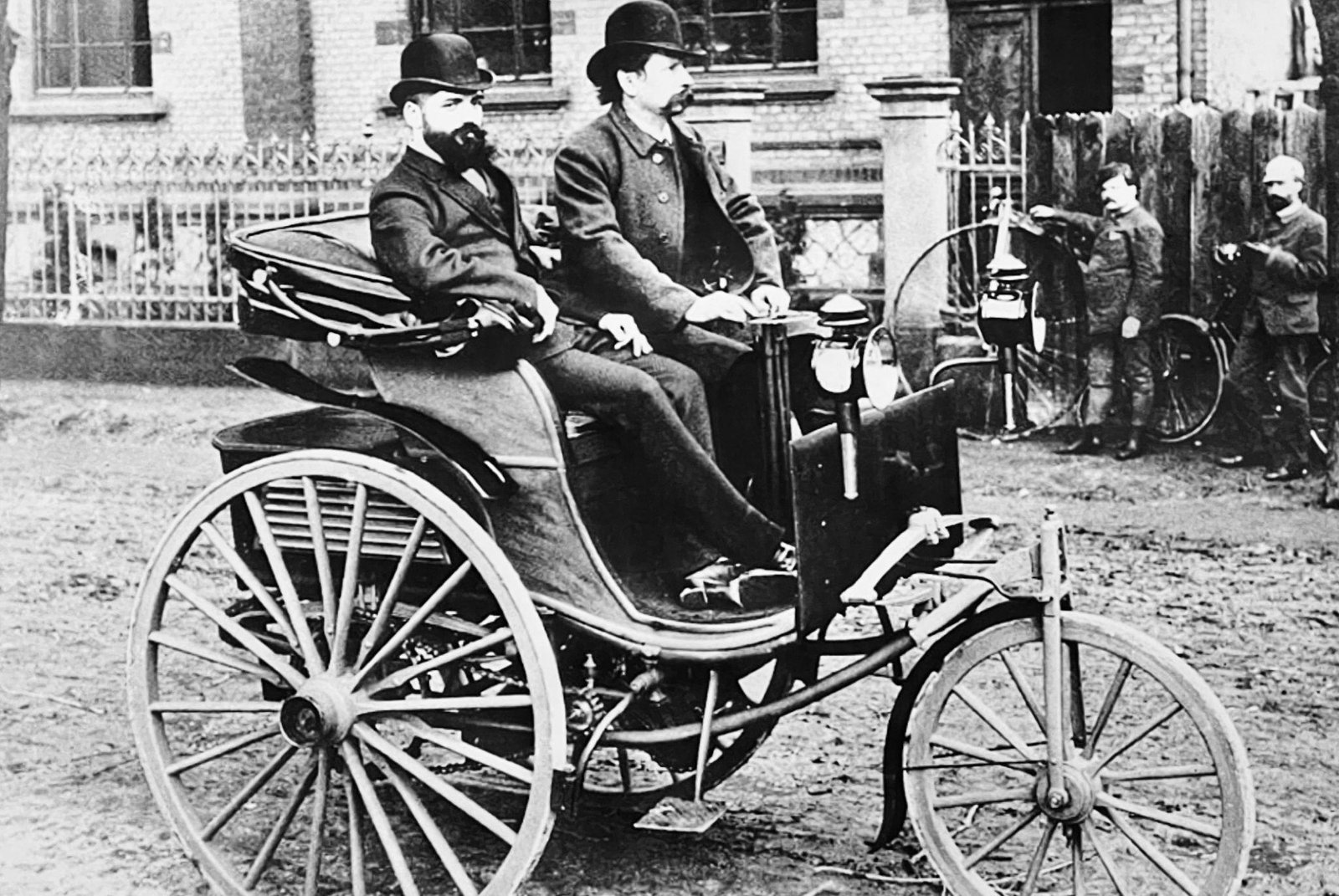
In the late 19th century, when the world still relied on horses and carriages, a German engineer named Karl Benz believed transportation could be completely reinvented.
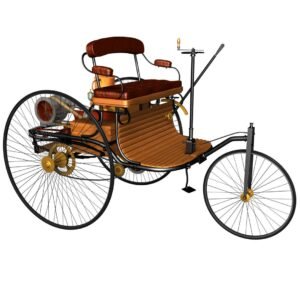
In 1886, he unveiled the Benz Patent-Motorwagen, widely recognized as the first automobile powered by an internal combustion engine.
It was a humble machine:
Every great story begins with an idea that seems impossible.
In the late 19th century, when the world still relied on horses and carriages, a German engineer named Karl Benz believed transportation could be completely reinvented.
In 1886, he unveiled the Benz Patent-Motorwagen, widely recognized as the first automobile powered by an internal combustion engine.
It was a humble machine:
-
- three wheels
-
- a tiny 0.75 horsepower engine
-
- a simple tubular frame
-
- primitive steering and drivetrain systems
-
- created the world’s first fuel stop at a pharmacy
-
- invented brake lining to improve stopping power
-
- solved mechanical issues along the route
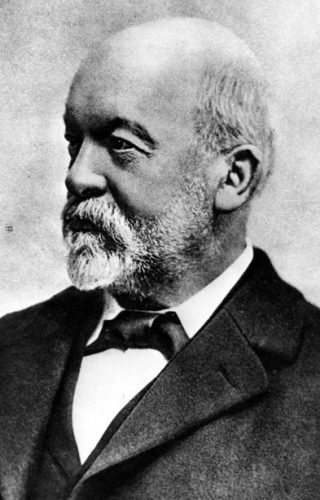
While Karl Benz was building the first practical automobile, another visionary engineer was working toward a similar revolution.
His name was Gottlieb Daimler, and alongside him stood one of the most brilliant engineers of the era: Wilhelm Maybach.
Their vision differed slightly from Benz’s.
Benz focused on creating a complete automobile.
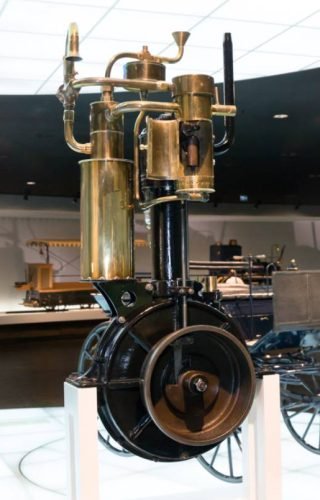
Daimler wanted something even more fundamental:
small, high-speed engines capable of powering anything.
Together they built engines for:
-
automobiles
-
boats
-
motorcycles
-
experimental aircraft
In 1885, Daimler and Maybach created what is widely regarded as the first motorcycle ever built, called the Reitwagen.
But their real breakthrough came when Maybach developed compact, lightweight, high-revving engines that dramatically improved performance.
These innovations laid the foundation for something that still defines German engineering today:
precision performance.
The Birth of the Mercedes Name
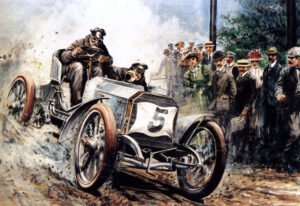
The name Mercedes emerged in an unexpected way.
An Austrian businessman and passionate automotive enthusiast named Emil Jellinek was one of Daimler’s most important customers.
He raced the company’s cars across Europe and constantly demanded faster, more powerful machines.
But he had one request.
The cars would carry the name of his daughter:
Mercedes Jellinek.
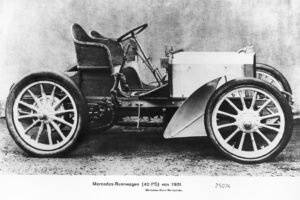
In 1901, Daimler introduced the Mercedes 35 HP, a revolutionary vehicle that many historians consider:
the first modern automobile
Its design changed everything.
It featured:
-
a low center of gravity
-
a longer wheelbase
-
a powerful engine for the era
-
dramatically improved stability
Compared to previous vehicles, it looked like it came from the future.
From that moment on, the name Mercedes became synonymous with engineering excellence and performance.
The Creation of Mercedes-Benz (1926)

After World War I, Germany’s economy faced severe hardship.
Two legendary companies decided to combine their strengths:
-
Benz & Cie.
-
Daimler-Motoren-Gesellschaft
In 1926, the two firms merged to create the brand we know today:
Mercedes-Benz
The company adopted the three-pointed star, a symbol originally created by Daimler.
It represented the ambition to dominate engines on:
-
land
-
water
-
air
From its earliest days, Mercedes-Benz positioned itself at the very top of the automotive world.
Its mission was clear:
luxury, engineering leadership, and innovation.
Cars like the Mercedes-Benz SSK, designed by Ferdinand Porsche, became legendary racing machines.
The Silver Arrows Era
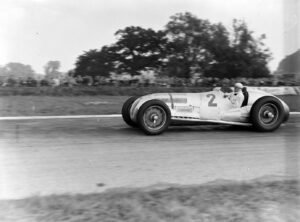
During the 1930s, Mercedes dominated the world of motorsport.
Their racing machines became known as the legendary:
Silver Arrows
The story behind the name is almost mythical.
In 1934, a Mercedes race car exceeded the maximum weight limit by one kilogram.
To reduce weight, engineers removed the traditional white paint used by German racing teams.
Underneath was bare aluminum.
The car appeared silver.
And thus, the Silver Arrow was born.
One of the most astonishing machines of the era was the Mercedes W125.
In 1937, it produced approximately 646 horsepower, an unbelievable figure for the time.
For decades, these machines remained among the fastest racing cars ever built.
Post-War Rebirth and the Legendary 300SL
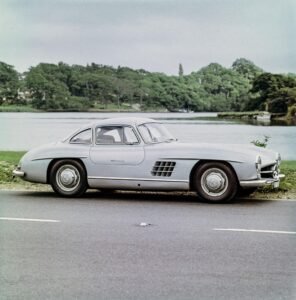
After World War II, Germany’s industry lay in ruins.
But Mercedes-Benz returned with one of the most iconic cars ever created.
In 1954, the world saw the birth of the extraordinary:
Mercedes-Benz 300SL
Its innovations were revolutionary:
-
iconic Gullwing doors
-
fuel injection, extremely rare at the time
-
top speed of 250 km/h (155 mph)
At its launch, the 300SL became the fastest production car in the world.
More than a sports car, it became a symbol of Germany’s technological rebirth.
Mercedes and the Pursuit of Safety
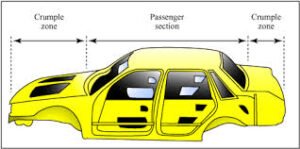
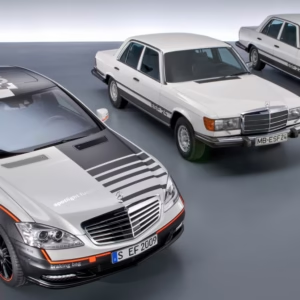
If there is one principle that defines Mercedes-Benz beyond luxury and performance, it is safety.
The company introduced innovations that later became industry standards.
Among them:
-
Crumple zones (1959)
-
ABS braking system (1978)
-
Airbags (1981)
-
Electronic Stability Program – ESP (1995)
These technologies eventually spread across the entire automotive industry.
Mercedes engineers followed a powerful philosophy:
“The best car in the world must also be the safest.”
AMG: The Rise of Modern Performance
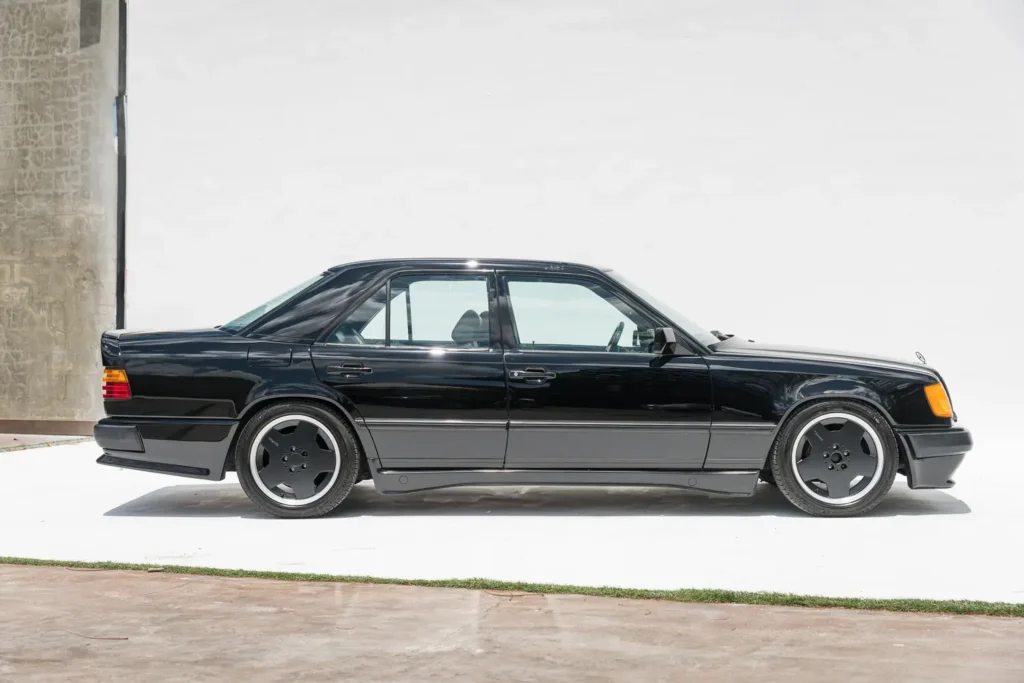
-
- Aufrecht
-
- Melcher
-
- Großaspach
One Man. One Engine.A single technician hand-assembles every performance engine.
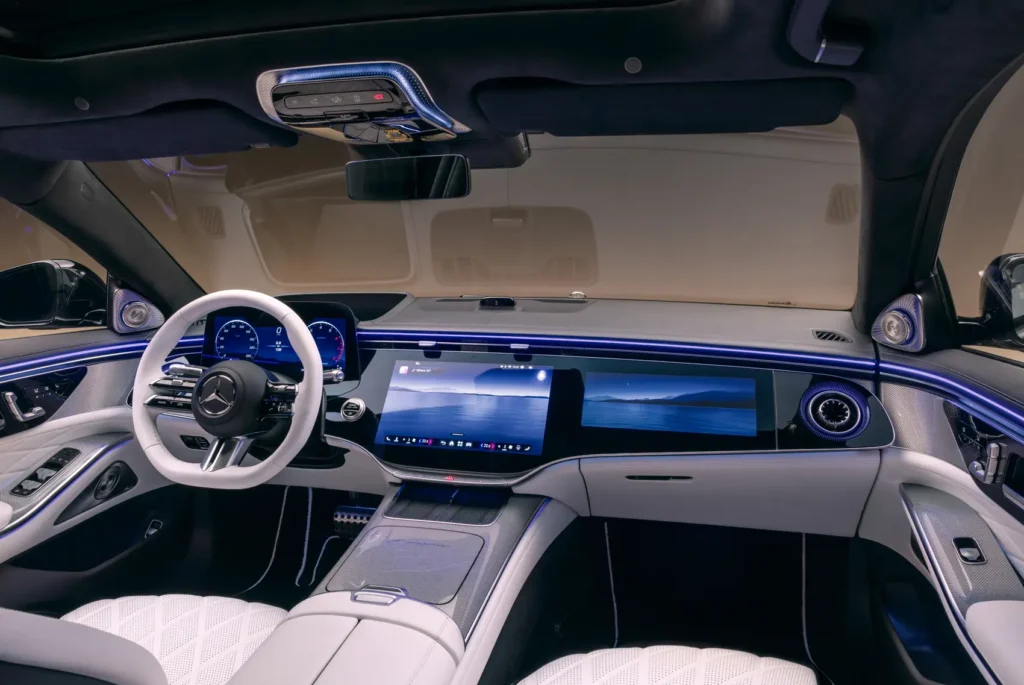
Mercedes in the Modern Era
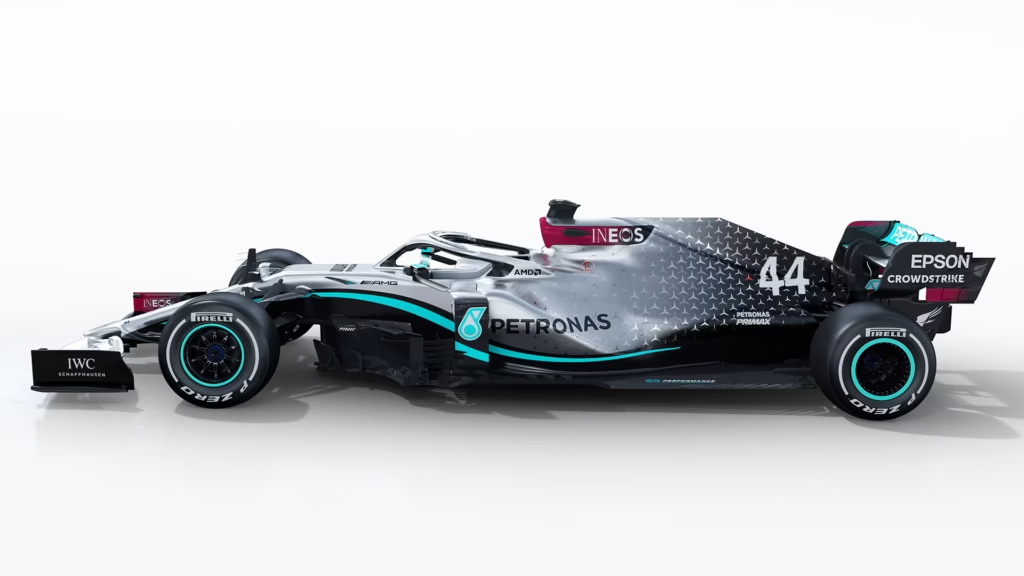
-
- electric mobility (EQ lineup)
-
- autonomous driving technology
-
- luxury digital interiors
-
- advanced safety systems
The Meaning of the Three-Pointed Star
Mercedes-Benz is far more than a car manufacturer. It is:-
- the creator of the automobile
-
- one of the greatest innovators in engineering history
-
- a symbol of luxury and technological excellence
Share this content:

Post Comment